





Source: Art Basel.
Younger collectors are now the biggest spenders, according to the latest Art Basel and UBS Survey of Global Collecting. How they choose to spend their wealth may come as a surprise.
What do young collectors want? The answers in the latest Art Basel and UBS Survey of Global Collecting, by Dr. Clare McAndrew of Arts Economics, cut against almost every cliché about young collectors. The headline from this year’s survey of 3,100 high-net-worth individuals is that they are outspending every other generation. They averaged USD 347,460 on fine art in 2025, more than twice as much as any older generation. Only 1% of the collectors surveyed had bought a work for over $1 million, and close to half of them were Gen Z.
We are often told how the so-called Great Wealth Transfer will one day give this generation a major influence over the shape of the art market. These findings suggest that the future might already be here.
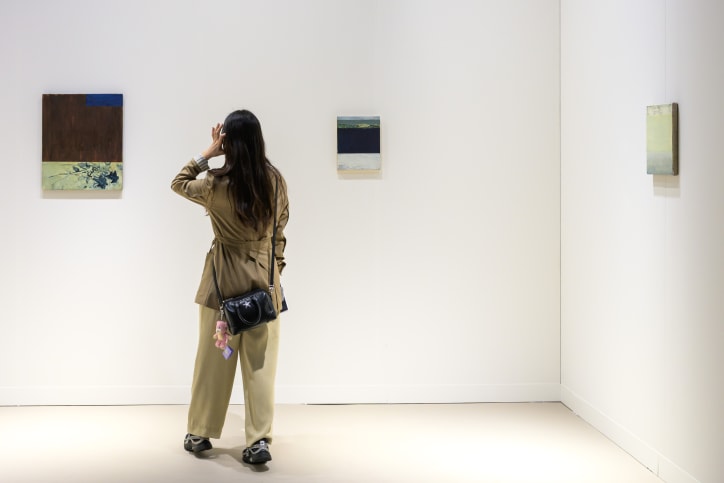
View of Almeida and Dale’s booth at Art Basel Hong Kong 2026.
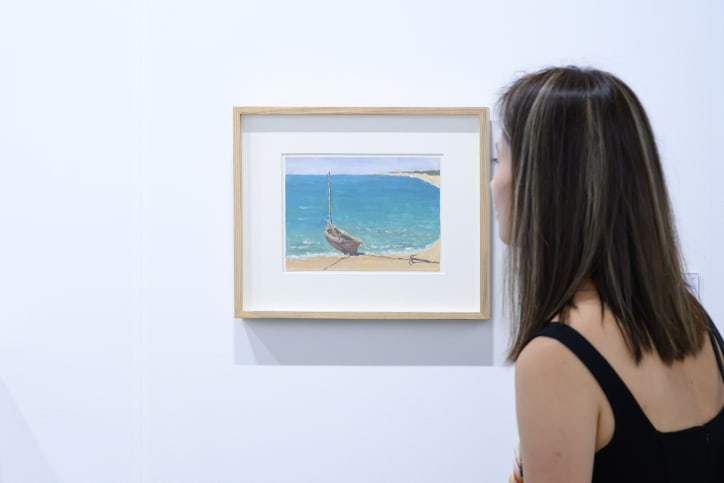
View of Don Gallery’s booth at Art Basel Hong Kong 2026.
For the first time, this year’s survey looked at the ways in which wealthy collectors started out. For many it begins with family – cited by 40% of Gen Z collectors, compared with 28% overall. This was certainly the case for Audrey Ou, whose family founded the Rockbund Art Museum in Shanghai. ‘Growing up around the Rockbund Art Museum profoundly shaped how I collect,’ she says. ‘Understanding how exhibitions are composed has pushed me to find a more personal throughline in my own collecting.’
Auction houses have often held up luxury goods, such as vintage handbags and watches, as a gateway to collecting fine art. But, as McAndrew notes, the survey found little evidence that this functions as a stepping stone. In fact, painting was the most common first purchase among the Gen Z collectors surveyed, and around a third started with either a painting or a sculpture – a higher share than among Gen X or boomers. Fewer than 2% started with handbags or sneakers.
While painting is where many collections begin, Gen Z’s tastes are more wide-ranging and eclectic than those of any generation before them. They collect, one could say, the way they listen to Spotify, across genres and eras, with digital art, Old Master painting, and vintage sneakers all featuring on the same playlist.
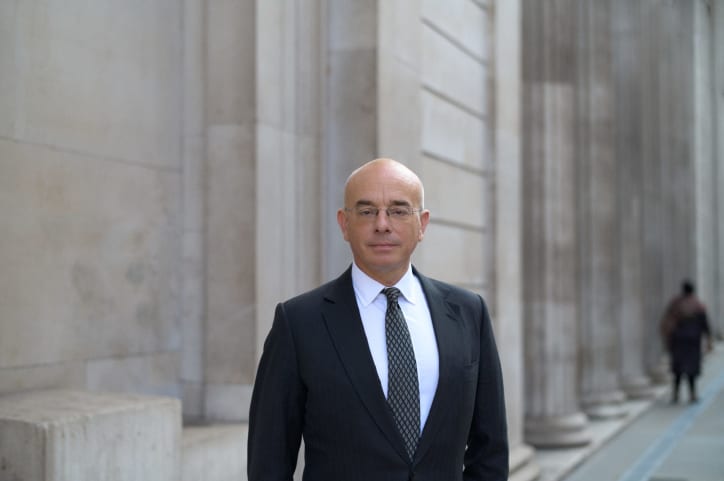
Paul Donovan, Chief Economist for UBS Global Wealth Management.
Art Basel in Basel 2022.

Audrey Ou speaking at Digital Dialogues: “Patronage and Collecting Digital Art”, Art Basel Hong Kong 2025 x Soho House.
Compared with 18% each of millennials and Gen X, 30% of Gen Z own works in all eight fine art mediums covered by the survey. Half of their total spending goes on collectibles, while on jewelry and gems alone they spend an average of USD 151,310 – more than five times as much as Gen X, the next-highest-spending generation.
‘I rarely meet young collectors who draw hard lines between mediums like painting, sculpture, or digital works,’ Ou says. ‘We are much more focused on the underlying narrative and how we actually want to live with these pieces. We don’t silo our passions – the same curatorial lens is applied to our closets, collectibles, and records as it is to contemporary canvases.’
Paul Donovan, Chief Economist of UBS Global Wealth Management, sees this as part of a wider shift. ‘Younger generations of wealthy individuals often have a different relationship with ownership than their predecessors,’ he says. ‘There tends to be a greater emphasis on personal meaning, authenticity, and purpose, alongside a willingness to engage across a much wider range of interests.’
Ou describes her generation as more ‘self-directed.’ She recalls discovering an artist showing at the Noguchi Museum in New York: ‘I messaged her personally on Instagram, visited her studio, and ended up acquiring a piece from her directly.’
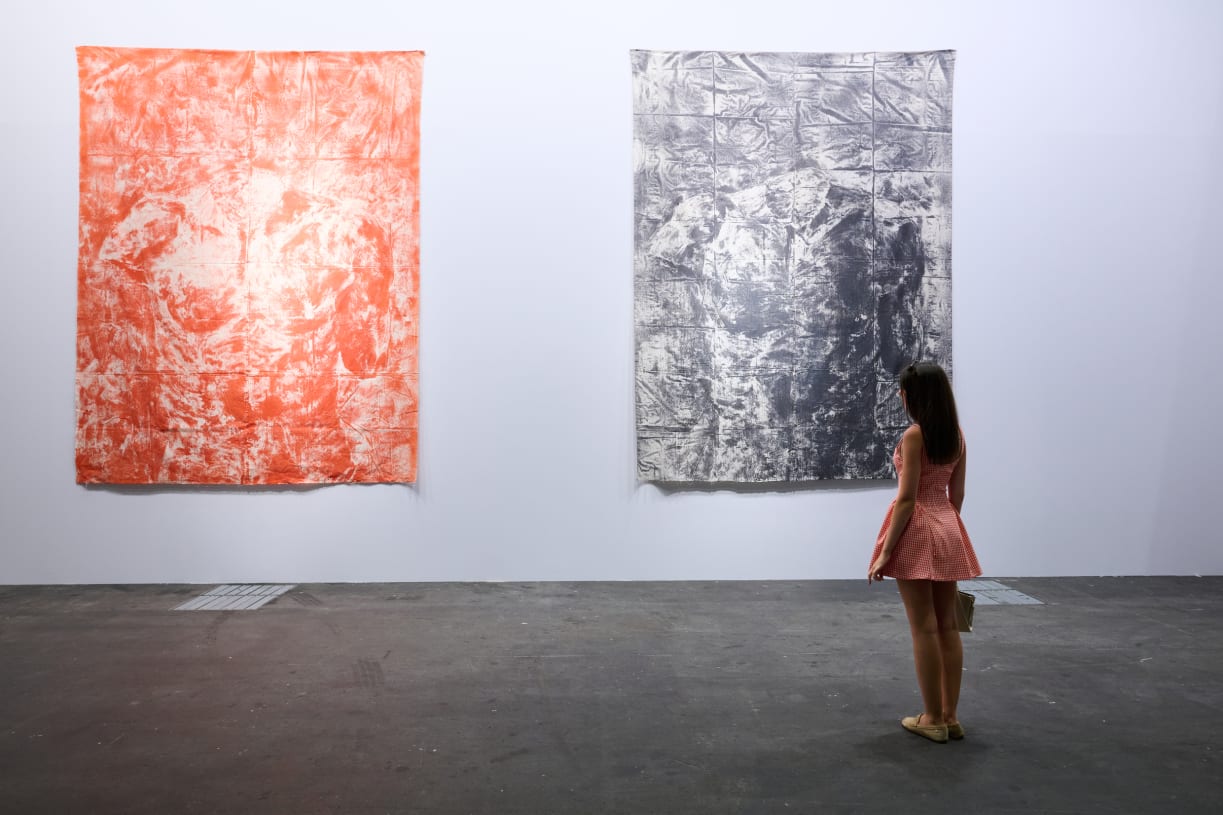
View of Mitsuko Miwa’s work presented by Galerie Greta Meert and SCAI The Bathhouse at Art Basel in Basel 2026.
This approach – an unmediated purchase straight from an artist – is becoming ever more common. Of the collectors surveyed, 69% had bought directly from an artist – up a relatively modest 6% on the previous year and more than double the share recorded in 2024 (27%). In total, artist-direct sales accounted for 19% of the expenditure of the collectors surveyed – more than both art fairs (15%) and auctions (10%).
Interestingly, only boomers (79%) are more likely than Gen Z to have bought from an artist directly. It is one of several areas, including the breadth of categories they collect in, where McAndrew finds a U-shaped pattern, with the youngest and oldest collectors having more in common than those in between.
One area where boomers and zoomers diverge, however, is in how they share their collections. Young collectors may use Instagram to discover and buy art, but they are reluctant to post about what they own to a wide audience. Just 25% share content about their collections publicly, compared with around a third of millennials and boomers.
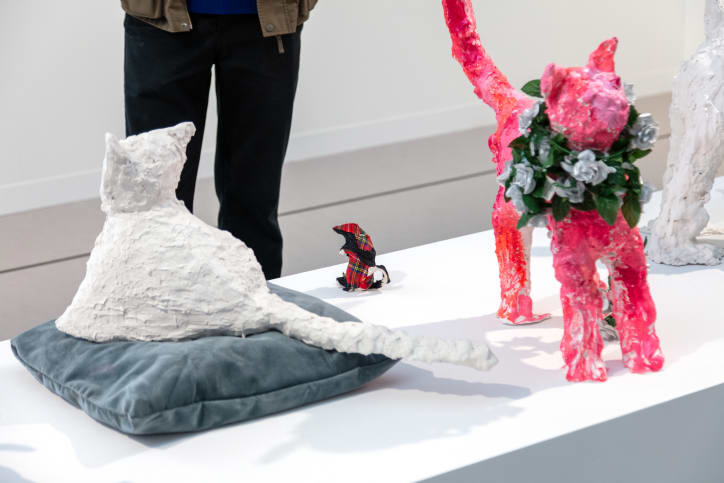
Works by Gina Fischli presented by Chapter NY and Soft Opening at Art Basel in Paris 2025.
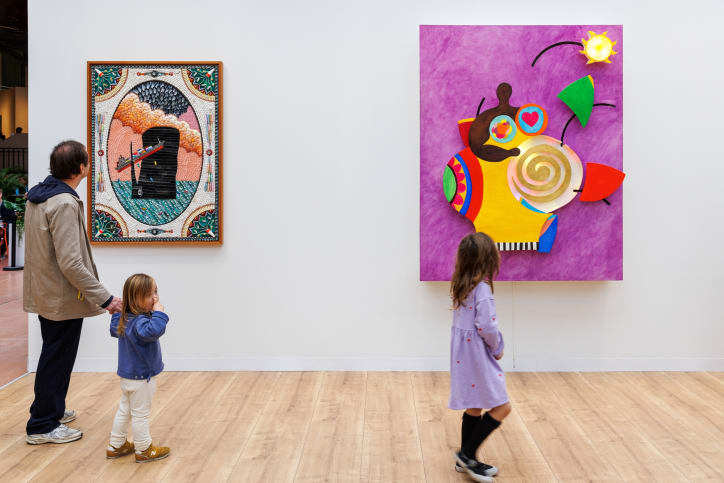
View of Galerie Georges Philippe et Nathalie Vallois’s booth at Art Basel in Paris 2025.
‘Like many collectors,’ Ou says, ‘we view our collections as highly personal reflections of our inner worlds – and because we grew up more “publicly” online, broadcasting that starts feeling too intimate.’
This does not mean that they do not share at all. Invitation-only groups, such as private social media accounts and group chats, are highest among the youngest collectors at 42%. Studies cited in the report show Gen Z are far more wary of their digital footprint than older generations, and more likely to retreat to private spaces where they, not the algorithm, have control.
The findings are similar for in-person access to collections: 39% of Gen Z collectors restrict this to close family and friends, almost twice the share of any other generation. ‘We gravitate toward high-trust, shared experiences,’ Ou says. She recently co-hosted a private salon in Beijing where a group of eight young collectors visited artists’ studios and collections together.
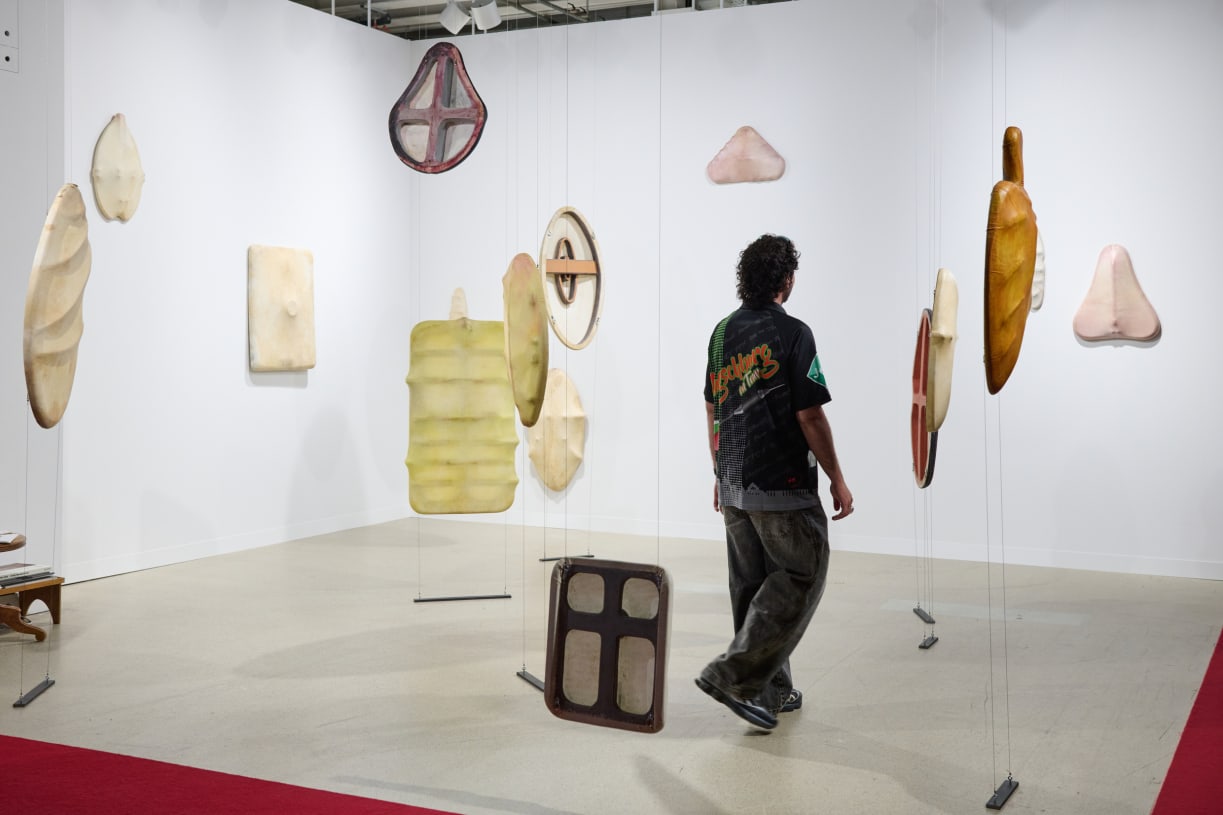
View of Koray Ariş’s work presented by Öktem Aykut at Art Basel in Basel 2026.
Even if direct sales from artists are growing, fairs remain central – 73% of Gen Z collectors had bought at one, second only to boomers – but they are adapting to a generation that values more intimate experiences. ‘The generation raised on social media is, it turns out, the one most inclined to keep its collecting close,’ says Art Basel’s CEO Noah Horowitz. ‘Young collectors are finding their way in through ever more diverse entry points, but what keeps them engaged is trust, built through relationships formed in person, online, and in tailored moments of connection throughout the year.’
This inclination toward privacy extends to the plaque on a museum wall. When lending to institutions, 59% of Gen Z preferred to remain anonymous and only 6% wanted full public credit, the lowest share of any generation surveyed. ‘When we do build public-facing platforms, the focus is usually on supporting the work of artists and curators rather than highlighting our own collections at home,’ Ou says. ‘I view supporting institutions as its own form of collecting – collecting experiences, dialogues, and impact, rather than just objects.’

Noah Horowitz, CEO, Art Basel. Photo by Matthieu Croizier for Art Basel.
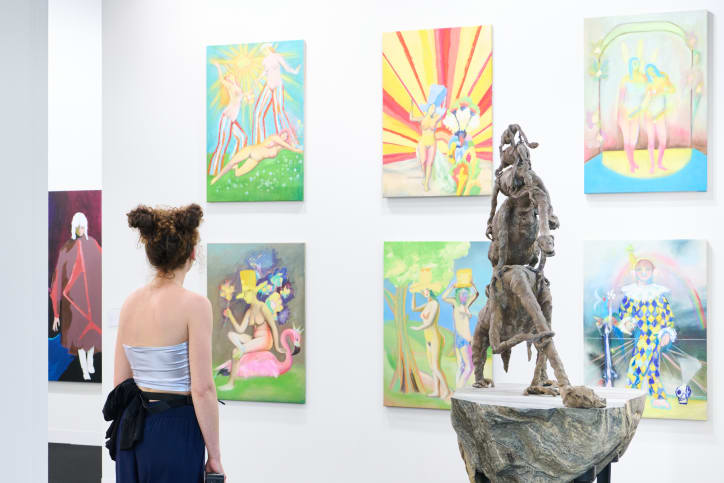
View of Anton Kern Gallery’s booth at Art Basel in Basel 2025.